Paddy Chayefsky
The Hyper-Inflation of the Theatrical Pulpit — monologue bloat, prose density, and the rejection of subtext.
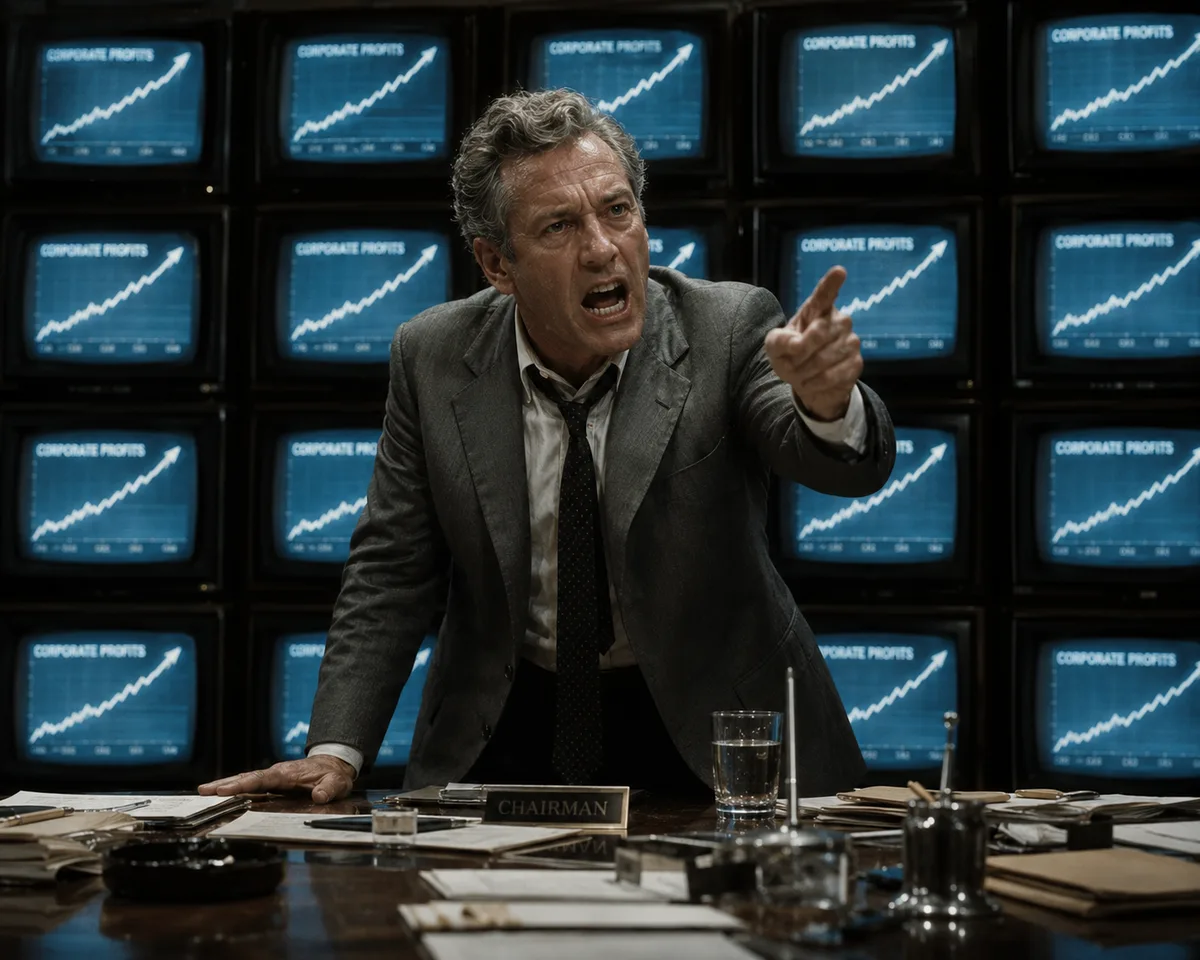
Primary System Defects
- Monologue Inflation
- Severe Prose Bloat
- Theoretical Over-Articulation
The Modern Reality
Film is an explicitly visual and behavioral medium. Chayefsky systematically treats the screenplay like a theatrical pulpit, forcing characters into massive, multi-page paragraph blocks that entirely reject standard dialogue economy and real human cadence.
The Core Defect Analysis
The primary baseline axiom of modern cinematic engineering dictates that film is an explicitly visual and behavioral medium, moving entirely through spatial progression and strategic character friction. When the highly celebrated portfolio of Paddy Chayefsky is run through the data-driven gauntlet of contemporary development metrics, his structural mechanics present an extraordinary structural conflict. Chayefsky systematically treats the screenplay layout not as a propulsive cinematic engine, but as an expansive theatrical pulpit, forcing characters into massive, multi-page paragraph blocks that reject basic human cadence.
The foundational systemic defect in Chayefsky's methodology is the absolute substitution of active protagonist agency for rhetorical, text-heavy polemics inside the opening act. In a standard, high-margin studio thriller, a character's objective must be established through direct behavioral choices by Page 10. Chayefsky explicitly subverts this rule. In Network, the narrative engine is triggered not by a strategic, self-directed intervention against a hostile corporate hierarchy, but by an unguided psychological fragmentation broadcast live on television. The protagonist, Howard Beale, spends his critical early script real estate delivering an uninterrupted series of televised manifestos regarding social decay and institutional rot.
As the text transitions into Act II, Chayefsky's scripts succumb to total pacing paralysis caused by an ideological structural layout. The narrative ceases to operate as an organic, forward-moving timeline; instead, it transforms into an alternating compilation of boardroom orations and interpersonal ideological debates. When the network executive Arthur Jensen corners Beale in a darkened boardroom, the script grinds to a dead stop across four pages of text to accommodate a massive, sweeping dissertation on transnational capitalism:
From an operational development perspective, this level of verbal inflation completely castrates the kinetic pulse of the film, transforming a high-stakes corporate thriller into a static, talk-heavy stage presentation that limits physical scale.
Furthermore, this structural over-articulation entirely neutralizes the deployment of narrative subtext, as characters are engineered to explicitly narrate their internal damage and thematic purpose. In a weaponized, contemporary spec, emotional conflict must be tracked through subtextual maneuvering and tactical behavior under pressure. In Chayefsky's The Hospital, however, the primary medical lead spends multiple consecutive sequences delivering exhaustive, paragraph-heavy monologues regarding his own psychological impotence, domestic failures, and existential despair. By forcing the character to continuously self-diagnose his flaws directly to the reader, the text eliminates all opportunity for authentic, visual character discovery, padding the layout with heavy verbal noise that threatens immediate audience retention.
The Mandatory Redline
The Fix. Implement a strict, maximum three-line limit per dialogue block to restore cinematic subtext. The narrative must be re-engineered to prioritize physical, tactical problem-solving over philosophical lecturing.
The Redline. In The Hospital, strip out the protagonist's lengthy, suicidal mid-act monologues regarding institutional impotence. Re-engineer the script into a lean, high-velocity medical whistleblower thriller where the lead doctor must actively locate and forensic-track a literal serial killer working within the wards before the facility's midnight accreditation deadline.